Here are a few items you may be able to save after a fire: While many things will disappear as a result of flood damage, others can be saved.
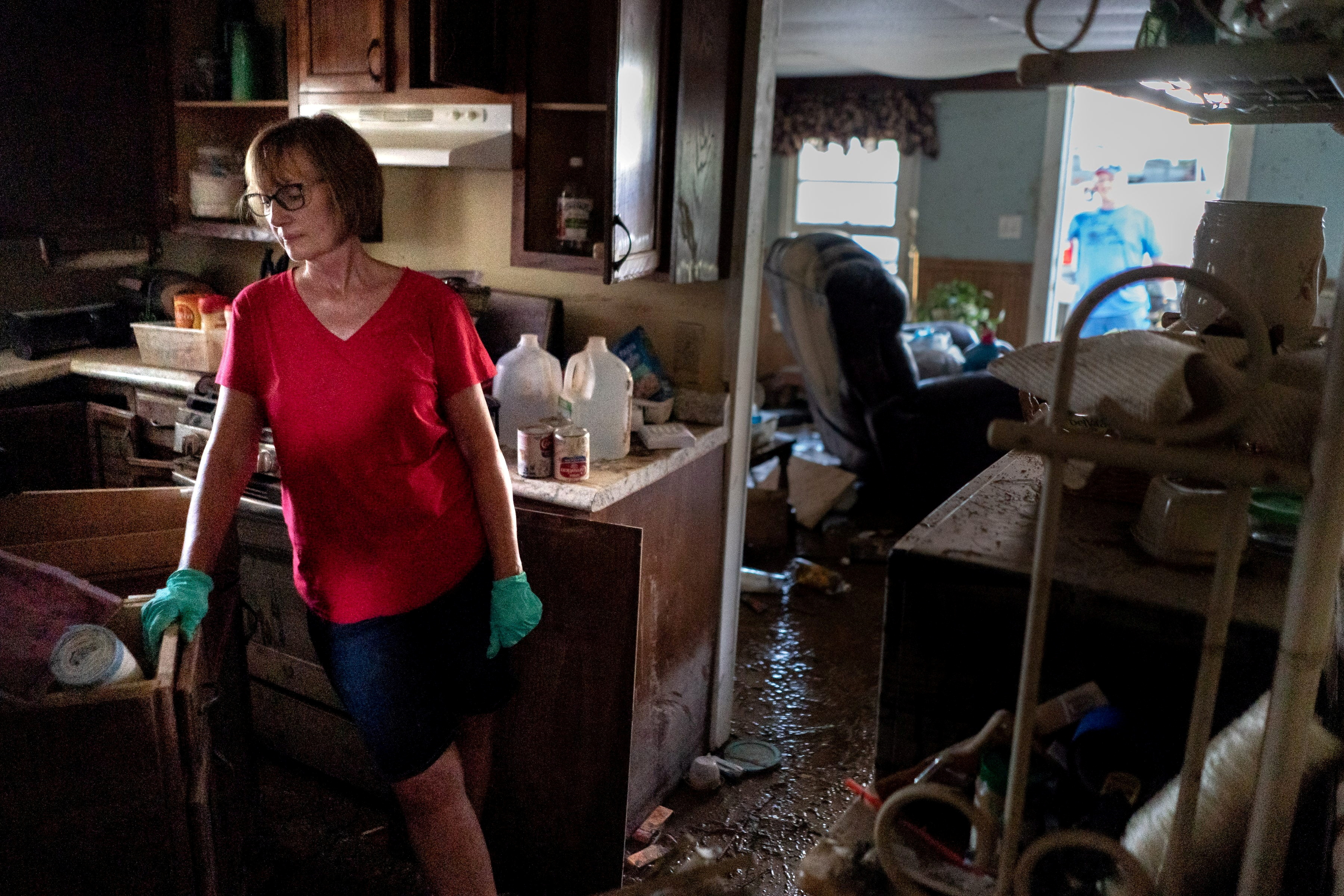
Authorities Locate Dozens Of People Listed As Missing In Deadly Tennessee Flood | Reuters
We woke up on the 7th of september to the aftermath of the strongest recorded hurricane on the planet, named after someone’s prickly grandmother, hurricane irma.
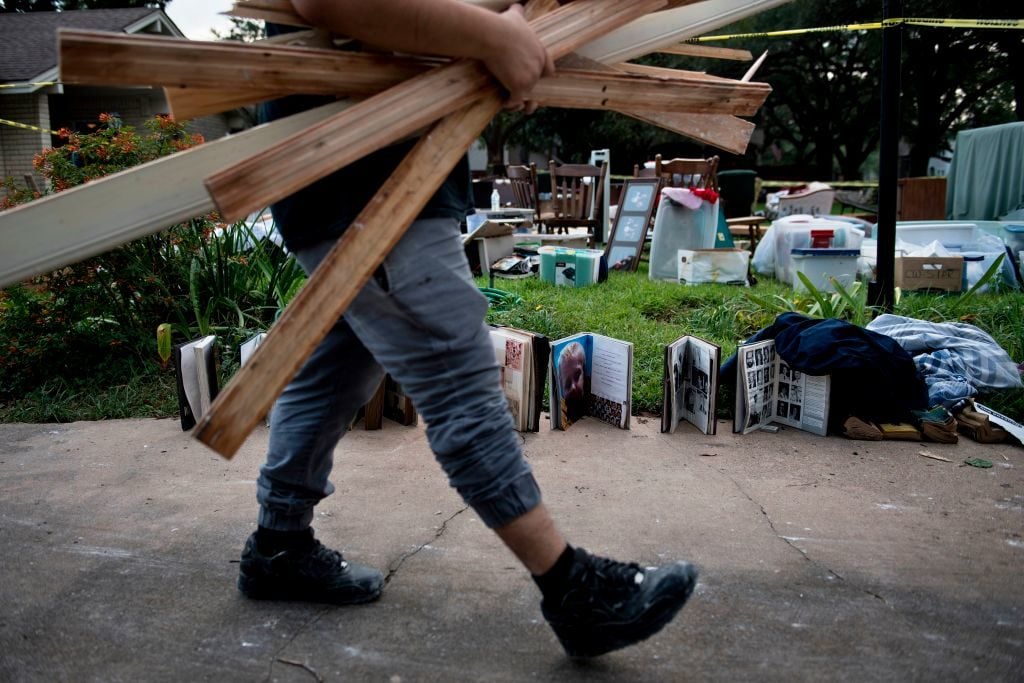
Salvaging household items after hurricane. Rinse the clothes with clean water and. Please keep in mind that, while items might look irretrievably damaged, there may well be treatments that will salvage them. Clean photographs by rinsing them carefully.
Avoid rubbing, which can grind in dirt. The mess, the clean up, the possible mold complications, the destruction of property and valuables, and the disruption in your life all take a toll on your mental and emotional wellbeing. Things like beds, furniture, cabinets, and other household items that sat in flood water will also need to either be cleaned and salvaged or disposed of.
First, take a deep breath. Attempt to save carpets or throw rugs only if they would be very expensive to replace Before salvaging household items after a hurricane, the most important thing to remember is to make your safety a priority when returning after a hurricane to clean and empty out your home.
While many things will disappear as a result of flood damage, others can be saved. Salvaging tips red cross australia has excellent tips for cleaning up after a flood. Salvaging household items like clothes and linens after a hurricane is easier if you have working appliances.wet textiles are the perfect breeding ground for mold and mildew.
After a disaster like a tornado, earthquake, hurricane, fire, or flood, you first make sure that you and your loved ones are safe and secure. Loosen dirt and debris on fragile objects carefully with soft cloths and brushes. Clean with detergent and scrub brush.
If a precious item is badly damaged, a conservator may be able to help. It is easy to feel overwhelmed and stressed in the situation of house flood. How to clean clothes and linens damaged by hurricane floodwaters.
Salvaging household items if you have wet carpeting. Composite flooring, which is made of wood, filler and glue, will become pulpy post water damage and is most likely ruined. Stir the mixture completely and add your clothing.
50 must have hurricane supplies to pack into your hurricane survival kit. These are usually hard surfaces, like metals and woods. Conradsen says that she used a three tub system to wash her plates and crockery after the.
If you live in an area that is hit by hurricanes preparing before the storm is the best thing you can do. Contact a conservator recovering items damaged by a fire is challenging. Specialty items, high priced items and electronics should have documentation on how you came to that replacement pricing.
Weekend express anchor susan hendricks interviews hgtv's joe mazza, host of home inspector joe about everything from pool and bbq safety to how to keep those pesky spiders out of your house. Do not despair, but please seek conservation advice. Things like a garden hose from home depot for 39.99 would not need a print out as it is very reasonable and a common item.
As you prepare for hurricane season. Pull up waterlogged carpet immediately, to prevent any further floor damage. This is so the adjuster can research the cost of the item if necessary.
Although metals are prone to staining, they can usually withstand major fire damage. Preparing for a hurricane is no easy feat. Before salvaging household items, the most important thing to remember is to make your safety a priority when returning after a hurricane to clean and empty out your home.
House fires taking place during or after a storm can be deadly. As a rule of thumb, you should never keep burnt, charred, melted, or unsafe belongings. How do you play games after losing everything in a super hurricane?
The fire department will not be able to respond to most 911. There is really no reason for individuals to donate medicine or medical supplies to a disaster relief effort. 1 ultimate survival uses and life hacks for these common household items.
Items you can salvage after a fire. Examples of these items include: Rescue the most valuable items first.
We saw our home of 27 years get stripped like a junkyard car. Well you don’t, at least not initially. Donated medical supplies for the victims of the 2008 cyclone nargis (in myanmar) are sorted — and labeled — at the chaiya meditation monastery in las vegas.
As soon as the floodwaters recede and the water has been removed, the next priority is to clean clothes. Once the immediate safety concerns are addressed, the next urgent tasks often center around finding undamaged household items and personal possessions and taking them to a safe, dry place.
A water filter will help you eliminate iron elements from your water. There are a few reasons why this may have occurred:

How To Fix A Leaky Shut-Off Valve - This Old House | Old House, Old Houses, House Plumbing
This is because the water pressure in the pipes changes or drops altogether during repairs.
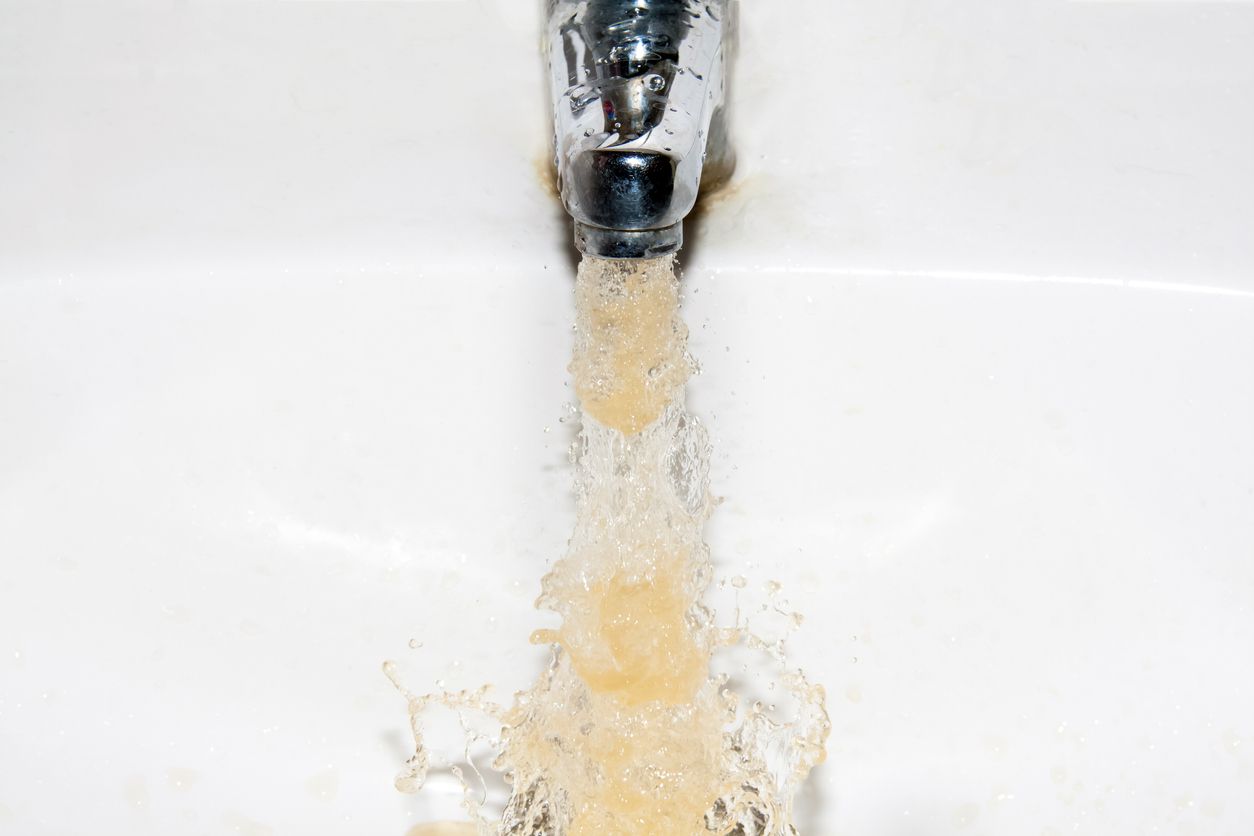
Why is indoor water brown after being shut off. If the problem occurs only when you use hot water. It might be disturbed sediment from a burst water main or pump or due to sudden high demand. For whatever reason, the shutting off of the water and turning the water back on stirs up sediment, and the water in the building turns a really gross brown for about 6 hours, after which it gets lighter, and after which it goes back to its usual perfect clarity.
Your drinking water may be brown because it has too much iron in it. However, having brown water in toilet appear after flushing is usually a sign of a much bigger problem. When you run the water it will flush the rust out and the water will run clear.
I wouldn't run the pump at all if it cycles like. After all, they are naturally occurring in many foods we eat every day. Something has bothered the main water line.
You will see a spurt of red, (rust) followed by white or yellow grains, (lime or calcium carbonate). Water heaters usually have a service life of 10 to 15 years. Typically these problems clear up within a couple of hours, but can take as long as several days to return to normal.
Left long enough, they may settle out again but running the water to drain the pipes works. Rust could be coming from your city's water system. However, the water may be unappealing, so we recommend that you wait until it clears before drinking it.
Water can turn brown because of several different reasons. Naturally occurring minerals high amounts of iron cause brown water. These chemicals consistantly fall off and are replaced.
The most common reason for residential brown water coming out homeowner’s tap is from damaged or recently replaced water pipes. If there’s a drop in water pressure or when the water is. Sometimes the brown water comes from corroded and rusty pipes.
With the pressure on, open the boiler drain and let it run until the water runs clear. Brown water happens because rust becomes dislodged from the water pipes and finds it’s way into your home water supply. So if you are experiencing brown tap water, don’t make any assumptions.
Nearby construction may also cause these elements to dislodge into your water system. This is what happens to galvanized pipe over the years. Rust could also be coming from your water heater.
When this happens the water is still safe. Disturbed sediment normally settles within a few hours, and you’ll know this is the culprit if the flow from the faucet clears up on its own. Or it could be organic matter in the mains, rust from your old iron pipes, or something else entirely.
If mineral deposits from iron pipes are the cause of the problem, the water will be colored yellow or slightly brown, while the lead particles that flow off in the water could cause the water to be colored dark or even black, with small particles present in it. If brown water comes only from the water tap, the water heater can produce rust and sediment. One function of these chemicals is to coat the pipes with a protective barrier.
However, the brown color it produces can have devastating effects on plumbing fixtures and clothes. Try running the cold water for a few minutes to see if it is clearing or still discolored. If your water heater falls within this range, and your water is often brown, it may be time to replace it.
After a time, water pressure pushes rust into the water, then you see it in your pipes. The cold can shrink the steel more than normal and break loose the rust inside the pipe. The pressure in the pipes change during repairs.
One could be that you have brown water stains on the bottom of your toilet bowl. How long the water needs to run is anyone's guess. This shouldn't take more then a few minutes.
Yes….the brown is water with colloidal particles of sludge that have been stirred up and become temporarily suspended in the water. Brown water is caused by the rusty residue that comes with galvanized steel pipes, which are commonly used even today. These are the most common causes:
3.3k views view upvotes nick rph625 , former pharmacist Commonly, using a mirror and flashlight you can look up into it an see if it is clogged or not also. If there’s a drop in water pressure or when the water is switched off and back on again.
Attach a hose to the boiler drain at the bottom of the tank. The water should clear on its own. The following reasons will contribute to brown water in wells;
Discolored water comes from internal pipe rust and sediment getting stirred up. If you suspect that your pipes have rusted, run your water for about an hour to see if your water returns to a normal transparent color. Do this monthly to keep it clear.
One of the most common reasons why the water in your home has turned brown is that there has been a disturbance in the minerals or sediment in your water. The most common reason for residential brown water coming out homeowner’s tap is from damaged or recently replaced water pipes. In the case of disturbed sediment, simply running your faucet and bathtub for a lengthy period can help flush brown water out of your pipes.
Disturbances in the municipal supply — you can experience occasional water discoloration when fine sediment in the mains gets stirred up by hydrant use, routine maintenance, breaks or construction/repairs. Even though you are always drinking them, you will normally never be aware of their existence because the water will look clear. The solution is a repipe job.
Minerals and sediment are naturally occurring in water and in pipes. The rusty color is sometimes caused by galvanized steel water lines freezing after a period of not freezing. Iron is a common, naturally occurring metal in soil, and as a result, is normally present in your drinking water.
In certain amounts, they are completely safe. The most common reason for residential brown water is oxidized iron, or rust, dislodged from the repair of leaky pipes or replacement of water pipes adjacent to old rusty pipes. Iron is beneficial to our diet.
It could be anything but iced tea suddenly flowing from your tap. You might see some rust in the bottom of your sink, near. Here's your culprit, (see images).
If your water suddenly changes from clear to murky in the same day and all of the faucets at your home have discolored water coming out of them, the problem is most likely due to a pressure change in your city’s water lines. Plumbing systems in older homes that have remained unoccupied for long periods of time may also need a good flush before the water becomes safe to use. If there has been construction near your home or work being done on the main water line, it could cause a disturbance.
Under normal conditions, drinking water provides about 5% of the iron that you are supposed to drink or eat each day. What's happening is that between draws the water in the pipe will absorb some of the rust.