A normal gauge pressure for natural gas burners is 7 inches of water (1.7 kpa, 0.017 atm) 9 and a normal gauge pressure for propane burners is 10.5 inches of water (2.6 kpa, 0.026. The imperial chart indicates absolute pressure.

Oxygen Volume Percent Versus Pressure For Natural Gas, Propane, And... | Download Scientific Diagram
Most pressure relief valves are set at around 25 bar, so that is about as high as lpg cylinder pressure will go.
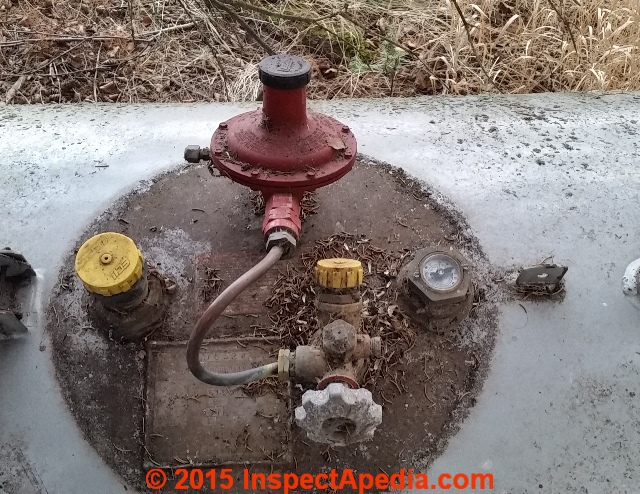
Pressures on propane and natural gas. According to the textbook organic chemistry by joseph m. Details about lp gas pressures and natural gas pressures as they occur at buildings and in gas fired appliancs are found. See also other properties of propane at.
The “propane gas pressure for furnace” is a question. Propane tends to be more expensive than natural gas. This is because the orifice jet designed for natural gas is larger than the one for propane.
However, the same amount of propane is able to produce about twice as much heat as natural gas. This is because the orifice jet for natural gas is considerably larger than the one used for propane. Hereof, what is manifold gas pressure?
This means that methane has to be cooled to a much lower. (values at 25 o c (77 o f, 298 k) and atmospheric pressure) molecular weight. While the cost per gallon is less for natural gas, you’ll use more of it to heat the same appliances.
Natural gas can take the form of compressed or uncompressed gas or as a liquid. In the us, natural gas for residential use is approximately 1/4 psi, or 8″ w.c. Running propane through an orifice designed for natural gas and lower pressure will result in an overly large flame and soot.
Pressure</strong> inside a propane tank fluctuates slightly based on the outside temperature. Lpg lp tank sizes, capacities in btus, weights. According to the national standards publication nfpa58, a propane tank with 20 pounds (5 gal) of gas at 70°f would have a pressure of 145 psi;
Vapor pressure of 100% propane: So in the propane versus natural gas comparison, the cost is a. The metric chart indicates gauge pressure.
One btu is the amount of energy needed to increase the temperature of 1 pound of water by 1 degree fahrenheit. At gas pressures lp vs natural gas. You will need to convert your regulator from the standard 4 inches of pressure for a natural gas stove to 10 inches of pressure.
The difference between lpg vs natural gas is easiest to see in their physical properties. Is switching from propane to natural gas the right move for your home? The flame will be bigger and may cause damage and even an explosion.
Both types of fuel are more efficient and less expensive than electricity in many regions. Liquid propane is formed when this gas is pressurized in a container. Imperial gauge pressure can be calculated as.
That means, propane is more than twice the energy of natural gas. If you get two times the heat from propane, naturally, you’ll use less fuel. Another difference between natural gas and propane is that the fuels burn at different pressures.
It is made from equal parts of natural gas processing and the refining of petroleum. Natural gas pressures in the building gas piping between the gas meter and the appliance regulator is typically about 7.5 to. In this way, through negative feedback, 3 the pressure of fuel gas flowing to the burners is maintained at the specified gauge pressure above atmospheric pressure.
Propane is a gas that is used to fuel cooking appliances, stoves and furnaces in homes. Having a new natural gas line installed is more costly than. Common operating pressure for liquid petroleum or lp gas is 10 of water.
Adjust each burner for a simmer setting. This is classified as “low pressure”. Whereas the same amount of propane produces 2,516 btus.
This is a very big difference. Natural gas is measured in cubic feet while propane is measured in gallons. In other words, propane gas can produce more than double the heat of what natural gas can.
Lpg pressure and how much pressure in lpg cylinder is dependent upon temperature. The vapor pressure of propane (c3h8) depends on the temperature. Discovered in 1857 by the.
Lpg is more dense than natural gas, at a specific gravity of 1.5219:1 vs 0.5537:1, amongst other differences shown below. Energy content of lpg vs natural gas (93.2mj/m 3 vs 38.7mj/m 3) has lpg with a higher energy content. In some areas, natural gas is more economical, and in others, propane costs less.
There are different types of home storage tanks with varying psi ratings. One cubic foot of propane equals 2,516 btus, while one cubic foot of natural gas equals 1,030 btus. Some fuels are easier to liquify than others.
Tanks range from 8 lb/in2 to 18 lbs/in2. In fact, propane costs more than 5 times as much as natural gas. Propane is essentially a byproduct of natural gas.
At 105°f, pressure continues to rise to 235 psi, and at 130°f, pressures of 315 psi would be reached. What happens is that there is unreacted propane that forms. This means, usually at a minimum you need conversion.
When it comes to cost, propane is a lot more expensive to buy than natural gas. How much pressure is in my propane tank? So, if you’re after a higher level of energy efficiency, then using propane gas is.
The common operating pressure for natural gas is 3.5 of water. At 90°f, pressure would increase to 180 psi; If you use propane on a natural gas stove, the flame will be too large.
Butane and isobutane (both c 4 h 10) are also considered to be lpg gases. Characterizing, measuring, and correlating the physical properties of natural gases must take into account this variety of constituents.
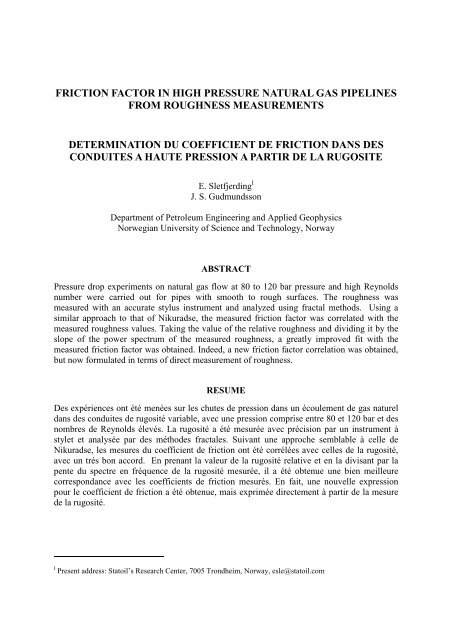
Friction Factor In High Pressure Natural Gas Pipelines From Roughness ...
Low pressure boilers have a mpa below 80 mpa.
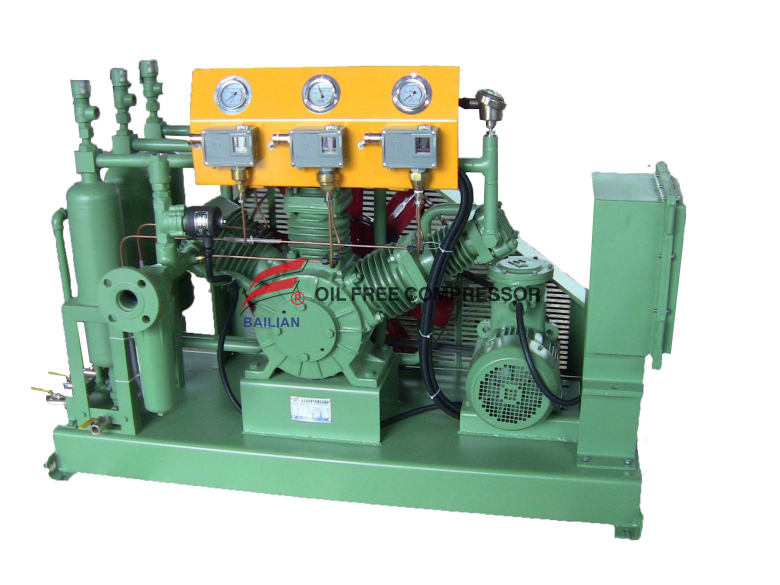
What is considered high pressure natural gas. The pressure of natural gas delivered to the home is typically 1/4 lb. Natural gas in the natural gas service line pressure in the gas main in the street will be found at pressures from 60 psi down to as low as 0.25 psi or about 7 inches of water column. The natural gas must first be transported at higher pressures through large pipelines that connect the well field to the local supplier.
At that point, the gas is processed and the pressures are reduced for safe delivery to residential users. What is considered low pressure propane? Please talk through your project requirements with us to determine what pressure is.
In science and engineering the study of high pressure examines its effects on materials and the design and construction of devices, such as a diamond anvil cell, which can create high pressure. Medium pressure gas systems are sometimes desirable because of high gas demands and long lengths of piping between the gas meter and the equipment being served. Natural gas (methane) is lighter than air and will typically disperse in the event of a leak.
Because natural gas is a flammable material, safety precautions are necessary. The natural gas extraction workforce face unique health and safety challenges. Boilers that produce pressure above 80 mpa are considered to be high pressure.
High pressure means anywhere from 90 to 700 kg per square centimeter (cm2). Natural gas pressure at the gas meter: Natural gas also contains smaller amounts of natural gas liquids (ngls, which are also hydrocarbon.
Some gas fields yield sour gas containing hydrogen sulfide (h 2s), a toxic compound when inhaled. The division of megapascal pressure (mpa) determines whether a boiler is low and high pressure. Medium pressure natural gas is considered to be a pressure over 14 inches of water column but not over 5 pounds per square inch gauge at the meter outlet.
Natural gas is a fossil energy source that formed deep beneath the earth's surface. Cng (methane stored at high pressure) is a fuel which can be used in place of gasoline, diesel fuel, and lpg. Likewise, what is considered a high pressure gas line?
This will depend on the pressure in the natural gas main that is used to supply your gas. Knowledge of phase behaviour of natural gas an its trace components is crucial for a safe and efficient production. Cng is used in traditional petrol/internal.
Medium pressure gas systems are sometimes desirable because of high gas demands and long lengths of piping between the gas meter and the equipment being served. This is advantageous, over lpg, from a safety point of view. High pressure regulators regulate the output pressure from 1 psi to as high as 60 psi.
Speight ph.d., d.sc., in natural gas (second edition), 2019 5.5.4 compressed natural gas. By high pressure is usually meant pressures of thousands (kilo bars) or millions (megabars) of times atmospheric pressure (about 1 bar or 100,000 pa). • equilibrium water content of natural gas • water dew point temperature • natural gas hydrate temperature
If the water is pumped, it is forced. Our study highlights the following features: Medium pressure natural gas is considered to be a pressure over 14 inches of water column but not over 5 pounds per square inch gauge at the meter outlet.
Amine gas treating, an industrial scale process which removes acidic gaseous components, is often used to remove hydrogen sulfide from natural gas. The largest component of natural gas is methane, a compound with one carbon atom and four hydrogen atoms (ch 4 ). 34 votes) natural gas that is transported through interstate pipelines travels at high pressure in the pipeline, at pressures anywhere from 200 to 1500 pounds per square inch (psi).
Natural gas contains many different compounds. As the maop increases, the required power and associated cooling duty can significantly increase. Depending on the application gas meters may operate at 7 w.c., 0.5 to 2.0 psig, or at pressures over 2.0 psig.
Differences between lpg and natural. Click to see full answer. Water circulation can be forced or natural.
A maximum gas velocity of 100 feet per second (30.5 meters per second) to minimize noise and erosion. Most network mains that supply a commercial property provide pressure of between 1.1kpa and 2.75kpa, but gas mains with higher pressure may be available in some areas. We have studied transportation of natural gas in the dense phase region (high pressure) and compared the results with the cases of transporting the same gas using intermediate and low pressures.
The composition and properties of compressed natural are dependent on the properties and composition of the original natural gas feedstock and test methods for. Natural petroleum gases contain varying amounts of different (primarily alkane) hydrocarbon compounds and one or more inorganic compounds, such as hydrogen sulfide, carbon dioxide, nitrogen (n 2 ), and water. The specific gravity of the natural gas should be considered as higher specific gravity will result in higher pressure drops or lower pipe carrying capacity at a given pressure drop.